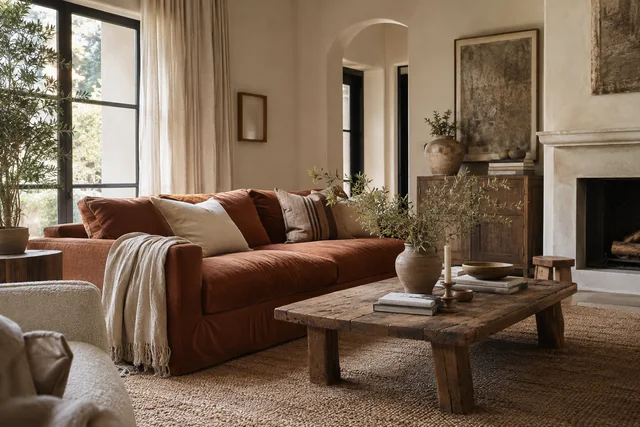
Give a small room a clear job
A small room can do several things, but it benefits from knowing which function comes first. Without that priority, every piece of furniture competes for the same limited area and the room begins to feel like storage for good intentions.
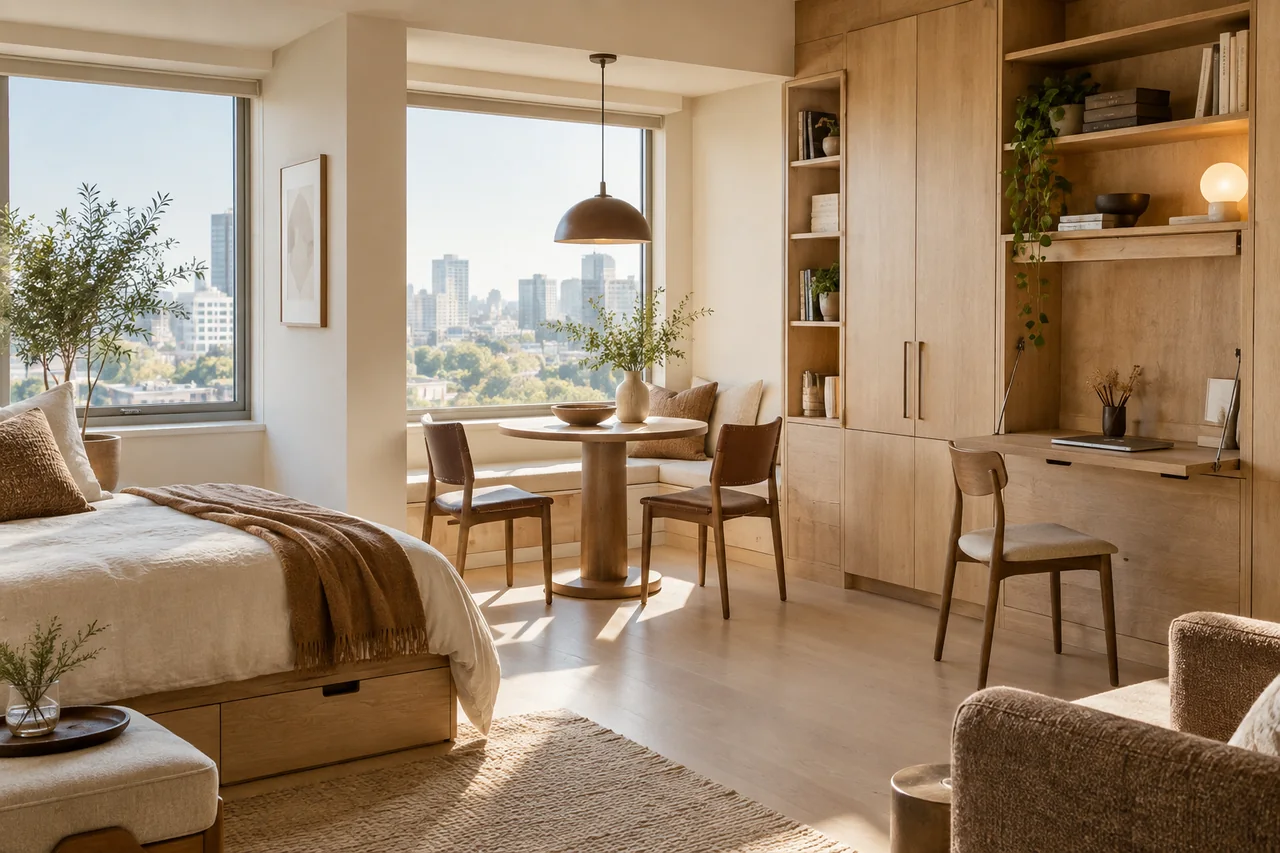
Choose the main use
Decide what the room must do most often, then identify the occasional uses that can be accommodated without compromising it. A guest room used a few nights a year may need a different arrangement from a daily workspace. Write the priority down so it can guide decisions when an attractive but unnecessary piece appears.
Measure the moving parts
Allow for doors, drawers, chairs and the space needed to use them. Furniture dimensions alone do not describe its working footprint. Check access to windows, sockets and maintenance points. A foldable or movable piece is helpful only if there is a practical place for it in each position.
Use storage selectively
Store items close to where they are used and leave frequently needed objects accessible. Avoid filling every wall simply because storage is possible. Some empty space makes the room easier to move through and visually understand. Review the arrangement after living with it; the places where clutter returns often reveal a task the original layout did not properly support.