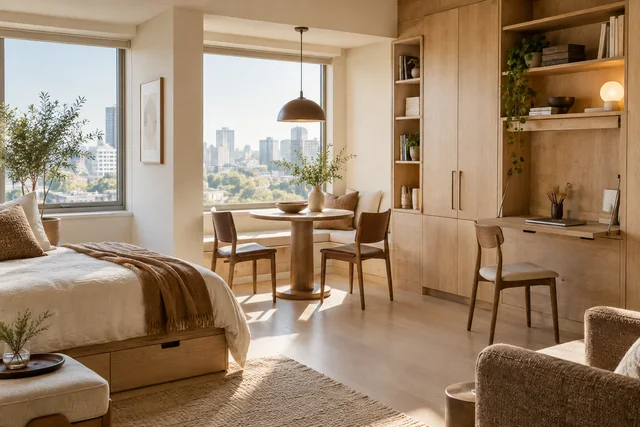
A living room begins with the way people use it
A living room works when its arrangement makes ordinary activities comfortable. Before choosing a new sofa or paint colour, observe where people sit, what they reach for and which routes through the room keep becoming awkward.
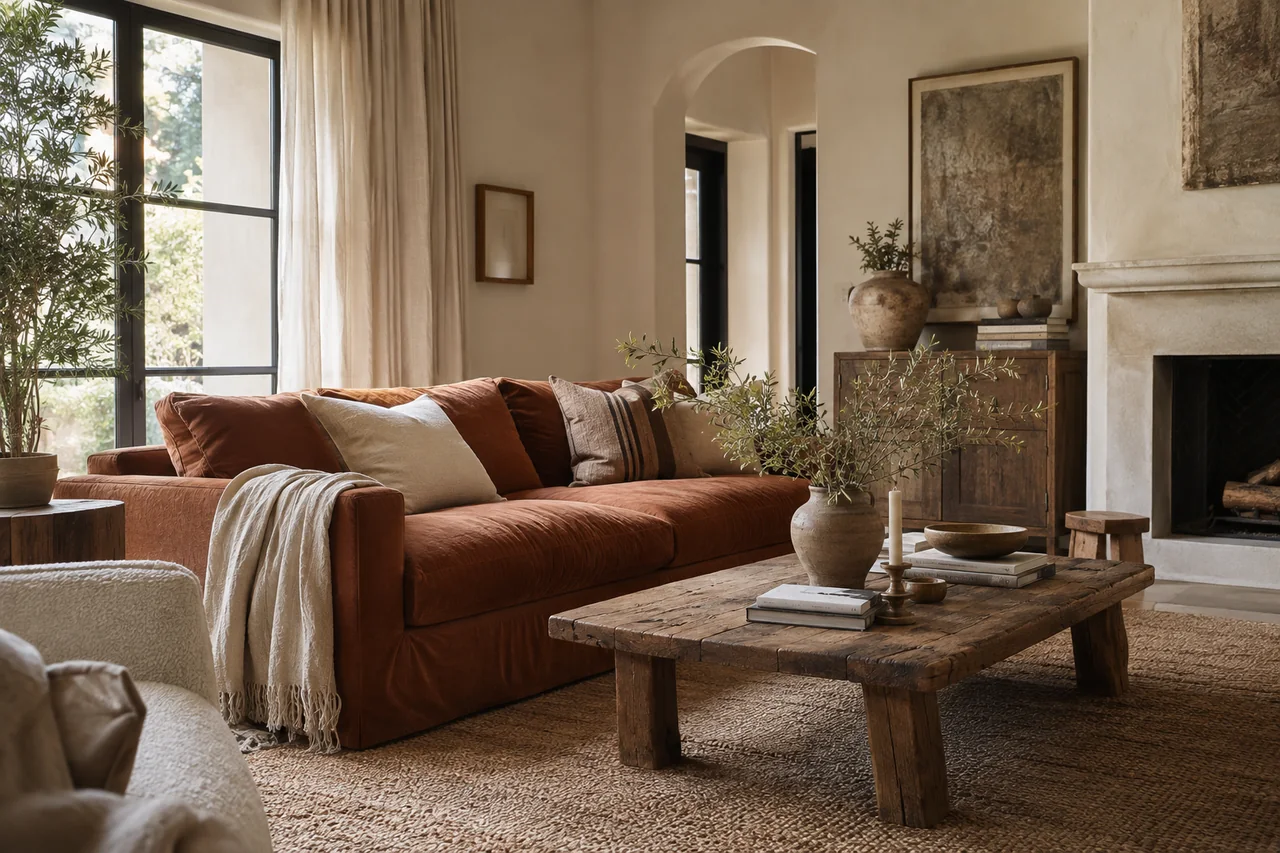
Map the daily patterns
List the main uses: conversation, reading, watching, playing or occasional work. Note where those uses overlap and where they compete. Measure the room and existing furniture accurately. A rough plan with real dimensions can reveal that a circulation problem needs a different arrangement rather than a smaller collection of objects.
Create more than one kind of light
Consider daylight and the tasks that happen after dark. Reading, conversation and general movement may need different lighting positions. Check glare and the reach of cables before placing a lamp. A room can feel more flexible when the lighting follows its activities instead of depending on one bright central source.
Keep the meaningful pieces
A coherent room does not require replacing everything at once. Identify the objects worth keeping for use, memory or character, then build around them. Test a new layout with what you already own before making purchases. Take photographs of a few arrangements and live with the most promising one for several days. The practical differences between them may become clearer during an ordinary evening than in the moment you move the furniture.